
July 17, 2025
When a gang starts issuing orders like a government and settles disputes like a court, you’re not dealing with criminals anymore—you’re looking at the next regime.
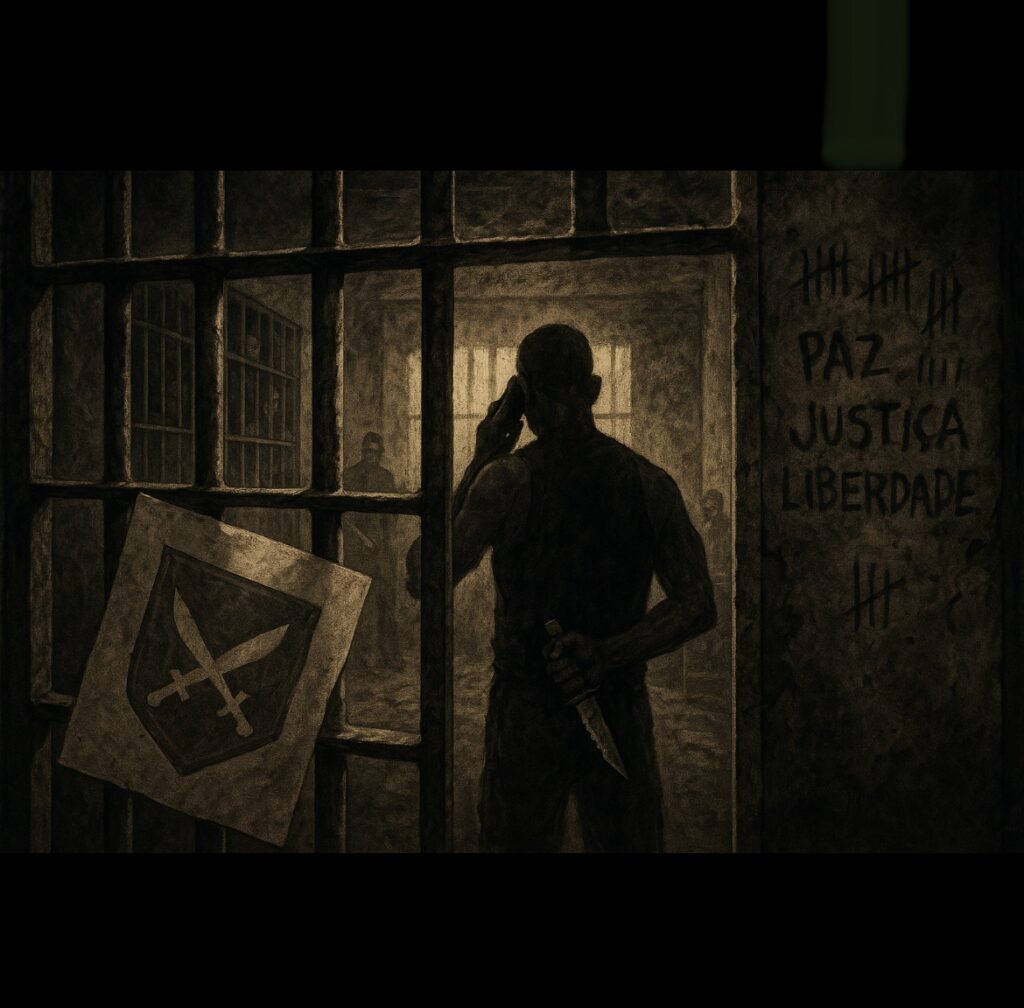
Brazil’s Primeiro Comando da Capital didn’t climb out of alleyways or jungles. It was born behind bars. A few men in a São Paulo prison, angry over abuse, started talking justice. But like many revolts, what began as defense became domination.
They built rules, taxes, punishments. They called it a “Party,” not a gang. And they stuck to their code better than most politicians I’ve met. Now they run drugs across continents, settle street beefs with memos, and coordinate hits by cell phone—somehow always a step ahead of the guards.
And here’s the kicker: they don’t just survive prison—they own it. Guards look the other way. Officials cut deals. Inmates fall in line. It’s a criminal command chain with discipline that would make some armies blush.
Sounds familiar. Back in my time, we had militias that claimed to protect the people too. But once a man starts collecting taxes and handing out justice with a sword, ask yourself—who really holds the power?
The PCC doesn’t spray graffiti or wave bandanas. They issue notices. They arbitrate. They move cargo by the ton and votes by the thousands. They’re not a gang. They’re an institution—and that’s what makes them dangerous.
If the law can’t lock ’em out, and the state can’t keep control inside its own walls, then prisons become parliaments—and the inmates become kings.
What stops this? Truth is, force alone won’t fix it. You need control inside the walls, not just fences around them. Rotate staff. Cut communication lines. Audit the banks. And never, ever let a cellblock out-govern the town it’s supposed to serve.
Because once the chains become thrones, every gate becomes a drawbridge.
Until next tide,
– Sam Mason, still watchin’ the river
#piratesammason